Land management takes many forms, but forestry mulching, also called forest mulching or land mulching, has gained quite a reputation in recent years. And for a good reason—the benefits are far-reaching, from economic impacts to environmental ones. Read on to uncover how forestry mulching can positively impact the environment, save you time and money, enhance the aesthetics of landscapes, and more.
Mulching: Be an Environmental Champion
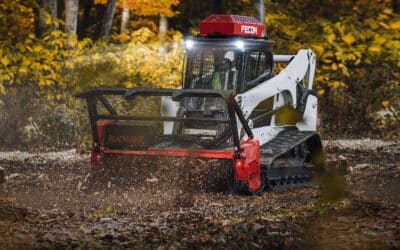
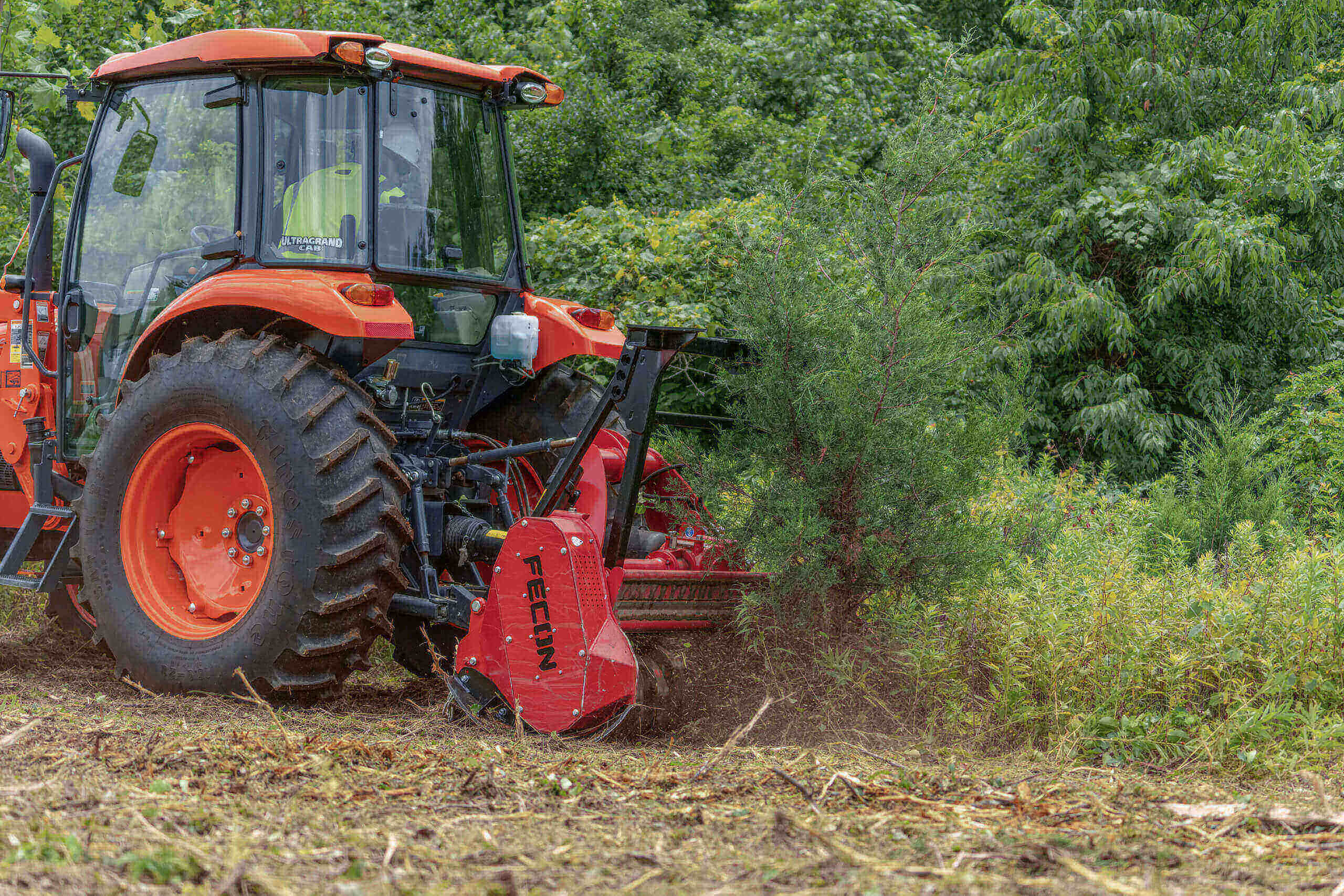
Before we discuss the benefits of forestry mulching, let’s define it. This tried-and-true technique involves a forestry mulcher, a machine that cuts, grinds, and clears vegetation in a single pass, which then becomes mulch.
The positive environmental impacts of forestry mulching cannot be overstated. While traditional land-clearing methods typically rely on burning or hauling away vegetation, forestry mulching leaves organic material on the ground, and that’s when the magic happens.
Improved Soil Health
As the mulch decomposes and organic material returns to the ground, it releases nutrients, enhancing soil fertility. The result is a nutrient rich environment that supports healthy plant growth and a thriving ecosystem.
Reduced Erosion
Erosion has become more and more common in areas with less vegetation. However, forestry mulching is proven to help combat this issue, providing a protective layer of mulch on the soil surface. The added layer of mulch retains moisture, protects root systems, and prevents the soil from being washed away by rainwater.
Promotion of Native Plant Growth
Forestry mulching helps native plants thrive by eliminating invasive species and creating a great environment for local flora. The mulch layer keeps invasive weeds at bay and gives native plants a nutrient-rich place to grow, boosting biodiversity and restoring natural habitats.
It is the same principle ranchers rely on for pasture reclamations, clearing overgrown ground back into usable grazing land.
Efficiency at Its Finest
Forestry mulching is not only environmentally friendly but also highly efficient compared to traditional land clearing methods. This efficiency translates into significant time and cost savings.
Time-Saving
Traditional land clearing usually involves several steps, such as cutting, hauling, and disposing of vegetation. Forestry mulching, on the other hand, combines all these steps into one. The mulching tractor or mulching attachment cuts and grinds vegetation on-site, leaving the mulch behind. This streamlined process saves significant time, letting landowners and contractors finish projects much faster. On larger jobs the gain compounds, because a dedicated machine such as the 200HP FTX200 mulching tractor holds full production all day rather than derating as the hydraulics heat up.
Cost-Effective
When you rely on forestry mulching, you can say goodbye to expensive project costs, unnecessary equipment, and excess labor for hauling and disposal (which tends to be exceptionally pricey when moved off-site). Since the mulching process is so efficient, it means less time on projects, lower fuel use, and reduced labor costs, making it the budget-friendly choice for landowners and developers looking to manage and clear land.
Aesthetics with Purpose
Looks aren’t everything, but they do matter to some people. The best part about forestry mulching? It offers aesthetic benefits that also result in environmental improvements. The practice can transform landscapes, creating visually appealing and functional spaces for everyone to enjoy.
Removal of Invasive Species
Keep your natural habitats thriving! Forestry mulching equipment grinds trees, brush, and other vegetation into mulch on-site, allowing for the quick and effective removal of invasive species without the need for transport or burning.
Improved Environment
The organic mulch left behind by forestry mulching looks natural, plus it’s great for the environment. As it breaks down, it enriches the soil, helps plants grow, and supports a healthier ecosystem. This mix of good looks and environmental benefits makes forestry mulching a win-win for land management.
Beyond Land Clearing
Forestry mulching isn’t just for land clearing; it’s exceptionally versatile and can enhance all your land management needs.
Storm Debris Removal
After severe weather, fallen trees and debris can make a mess and create safety hazards. Forestry mulching is a quick and efficient way to clean up storm debris. The machine grinds fallen trees and branches into mulch, clearing the area and reducing the risk of further damage or accidents.
That same clearing power makes it a natural fit for site prep work, whether you are rebuilding after a storm or getting land ready for something new.
Fire Prevention
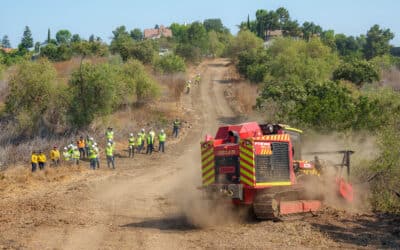
Forestry mulching is critical for fire prevention and management. Reducing the amount of flammable vegetation helps create defensible spaces around properties, lowering the risk of wildfires spreading. The mulch layer also holds moisture, so it’s less likely to catch fire than dry plants. It’s the perfect solution for keeping landscapes fire-safe, especially in areas prone to wildfires.
Choose Fecon for Your Forestry Mulching Needs
Forestry mulching has many benefits that make it perfect for sustainable land management. It boosts soil health, cuts erosion, saves time and cash, spruces up landscapes, and does more than just clear land.
Luckily, forestry mulching is easy with Fecon. We offer the most durable forestry mulcher attachments on the market, from skid steer and excavator mulching heads to purpose-built mulching tractors, which can match your needs. Find the right product for your job today, and connect with us for more information.
How Forestry Mulching Works
Forestry mulching, also called forest mulching or land mulching, does in one pass what traditional land clearing needs three or four machines to do. A forestry mulcher is a rotating drum or disc fitted with replaceable steel or carbide teeth, mounted either on a skid steer, an excavator, or a tractor, or built into a purpose-made mulching tractor. The drum spins at high speed while the carrier moves forward.
What happens on site
- The operator walks the ground first and marks the mature trees and any features that need to stay.
- The mulching head is brought down onto standing brush and small trees. The spinning drum shears the material off at or close to ground level.
- The same drum passes back over the felled material and grinds it into chips.
- The chips fall where they were cut and settle into an even layer across the ground.
- Nothing leaves the property. There is no burn pile, no separate chipper, and no hauling contractor.
How fast it goes
Production depends heavily on stem density, ground conditions, and the horsepower driving the head, and the same machine will move faster through light brush than through heavy standing timber. Rotor and tooth configuration matters as much as raw power, which is why a Fecon Bull Hog can be set up differently for rocky ground than for clean soil.
What Forestry Mulching Costs
There are two answers to how much forestry mulching costs, and which one matters depends on whether you hire the work out or run the machine yourself.
Hiring a contractor
Published contractor rates in the United States vary widely by region and vegetation density. Light brush on flat, clean ground sits at the lower end. Dense standing timber on a slope, or rocky ground that chews through teeth, sits at the higher end. Most contractors also apply a minimum charge, so a half-acre job often costs the same as a full one.
Owning the equipment
If you clear land regularly the arithmetic changes, because the per-acre rate stops being the number that matters. The costs that decide it are the carrier, the mulching head, fuel, and wear teeth. Teeth are the line most people underestimate. They are a consumable, and rocky ground wears them out far faster than clean soil does. Fecon Bull Hog heads take replaceable forged or carbide teeth, so a worn rotor is a parts order rather than a new head.
Is forestry mulching worth it
Compared against traditional land clearing, the saving is not only in the mulching itself. You are not paying for a separate chipper, a separate hauling contractor, or tipping fees at a disposal site, and you are not paying for the extra days those steps add to the schedule. On most jobs that is where the real cost difference shows up rather than in the hourly rate.
What the Land Looks Like Before and After Mulching
Before a mulching pass, a neglected parcel is usually wall to wall stems. Saplings, briar, invasive vines and dead standing material, with no line of sight and no safe way to walk it. On ground that has been left for five or more years it is common to lose visibility within a few feet.
After a single pass the same ground reads as open, walkable land. The mature trees you marked are still standing, and the ground between them carries an even layer of light brown chips. Because the stumps are cut low rather than pulled out, the soil structure underneath is left intact and there are no holes to backfill and no ruts from a hauling truck.
A few weeks later the chip layer starts to knit down and darken as it begins to break down. On most sites it takes 6 to 18 months before the layer has settled enough to seed or plant into, and that timeline moves with rainfall, temperature and how thick the layer was to begin with.
What To Do After Forestry Mulching
Leave the mulch where it is. The most common mistake landowners make is raking or hauling the chip layer off the site. That throws away the erosion protection and the nutrients that make mulching worth doing in the first place, and it turns a one-machine job back into a two-machine job.
Give it time to break down. On most sites the layer knits down and darkens over 6 to 18 months. Warm, damp ground works considerably faster than cold or dry ground, so a spring job in the Southeast settles far sooner than an autumn job in a dry climate.
Seed straight through it if you are establishing pasture. The chip layer holds moisture around new seed rather than blocking it. Where the layer came out thick, spreading it more evenly first helps the seed reach soil.
Watch the edges for regrowth. Mulching removes the top growth, but the root systems of species like kudzu, honeysuckle and Japanese knotweed will push again. On invasive-heavy ground, plan a follow-up pass rather than assuming one visit finished the job.
Hold off on tilling it in. Fresh wood chips temporarily lock up nitrogen in the soil as they decompose. If a crop is going in, either wait for the layer to break down or account for it in your fertiliser plan.
Hit rock you can’t mulch through? A rock crusher attachment can break it down in place so you can keep clearing.
On sites with larger standing stems, it can help to shear and remove larger stems first with a tree shear before mulching what remains.