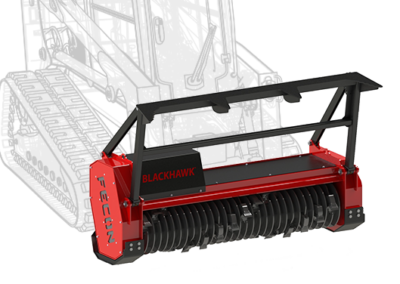
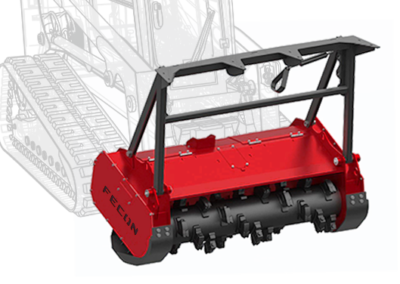
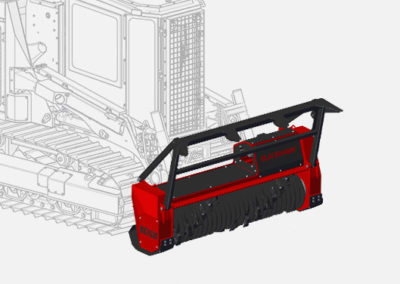
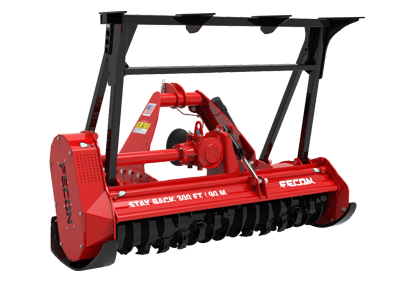
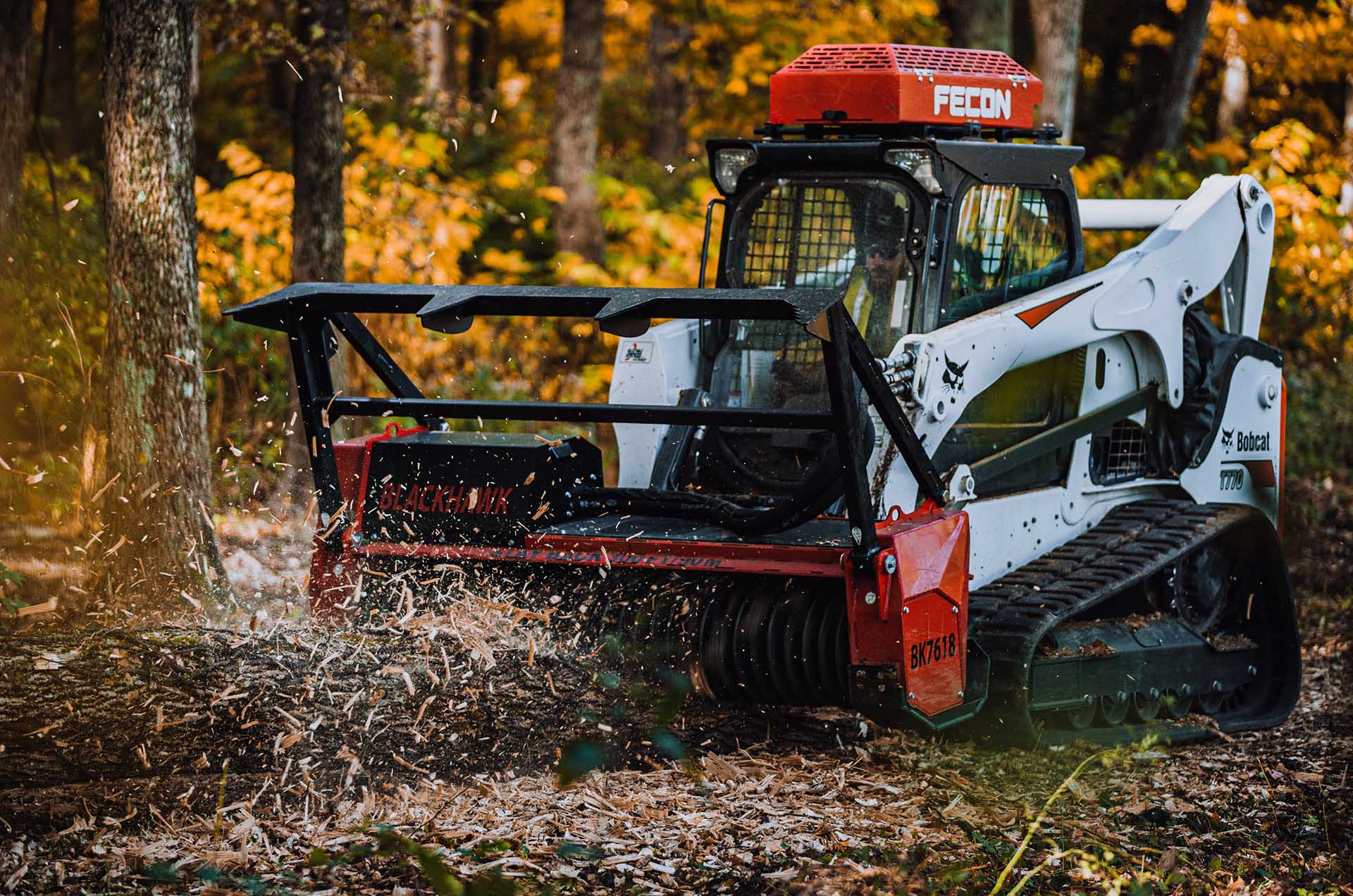
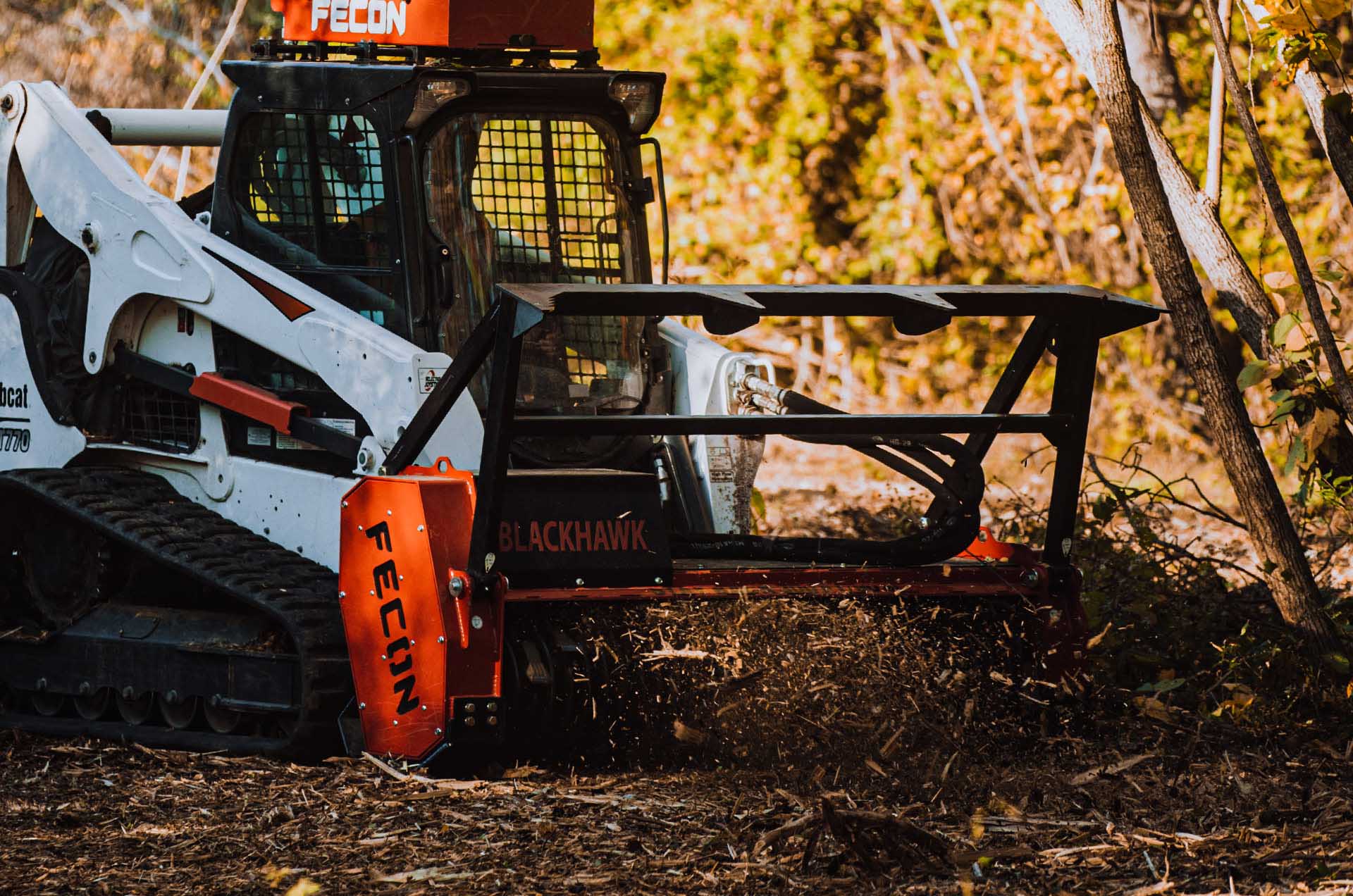
Fecon forestry equipment can be highly effective when used to remove invasive species. Plant diseases and invasive species can pose significant threats to native vegetation, water supplies, and wildlife habitats, and could lead to a potential wildfire.
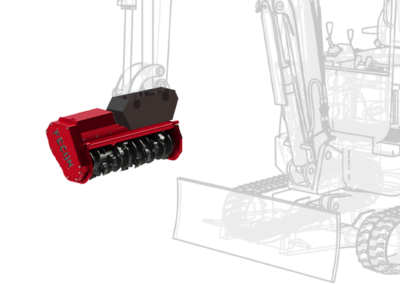
Low ground pressure tractors with mulching attachments are often used for vegetation management in wetland areas to remove Arundo and other wetland invasive species. See the full forestry attachment line for the head that fits your carrier. Salt Cedar, Russian Olive, Buckthorn, and Multi-floral Rose can invade a natural habitat or soak up a tremendous amount of groundwater and need to be removed to re-establish the native habitat or to preserve the water table. Tree shears, mulching attachments including excavator mulching attachments are all effective tools for these applications. For 12 to 20 ton excavators working creek and riverbanks, a mulching head for a 12 to 20 ton excavator lets the operator work the bank without disturbing it.
Frequently Asked Questions
Q1. Can forestry mulching be used to control invasive species?
Yes. Forestry mulching is one of the most efficient ways to knock back woody invasives such as buckthorn, honeysuckle, autumn olive, multiflora rose, and encroaching cedar, because it grinds the standing plants in place across large areas without hauling or burning. Removing the biomass in a single pass opens the site up immediately and, for many species, sets them back more effectively than simply cutting because the plant loses all of its top growth at once. It is widely used for habitat restoration and land management where hand-pulling or spot treatment would be far too slow over acreage.
Q2. Does mulching kill invasive plants, or will they come back?
Be realistic here: mulching removes the standing plant, but many aggressive invasives resprout from the roots or the seed bank, so mulching alone is usually a first step rather than a one-time cure. The most effective programs pair the initial mulching with follow-up management, such as targeted herbicide treatment of the resprouts, repeat maintenance passes, or reseeding with desirable native species so they can compete. The value of mulching is that it resets a badly infested site quickly and cheaply over large areas, which makes the follow-up treatment far more manageable than trying to treat a dense, impenetrable stand.
Q3. Why is mulching better than cutting and hauling for invasive control?
Cutting and hauling invasive brush is slow, labor-intensive, and creates piles of material that have to be disposed of, and moving that material can even spread seeds and fragments to new areas. Forestry mulching processes everything in place in one pass, which removes the disposal problem and reduces the risk of spreading the infestation. The mulch layer left behind also helps suppress some regrowth and protects the soil while native plants re-establish. For land managers dealing with acres of invasive woody growth, that combination of speed, in-place processing, and lower spread risk is why mulching has become a preferred tool.
Q4. What is an invasive species, and why does controlling it matter?
An invasive species is a non-native plant or organism that spreads aggressively and outcompetes native vegetation, degrading habitat, reducing biodiversity, and often increasing fire and erosion risk. Woody invasives like buckthorn and honeysuckle form dense thickets that crowd out native plants, block regeneration of desirable trees, and take over pastures and woodlots. Controlling them restores habitat, brings land back into productive use, and protects the health of the surrounding ecosystem. Because these plants spread fast and cover large areas, control usually requires equipment that can treat acreage efficiently, which is where forestry mulching fits in.