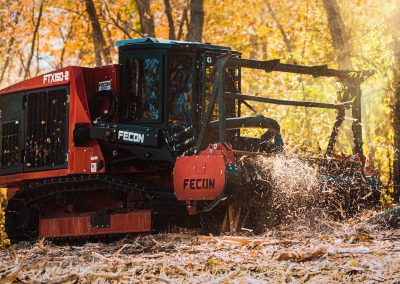
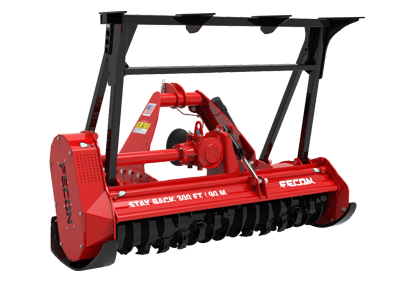
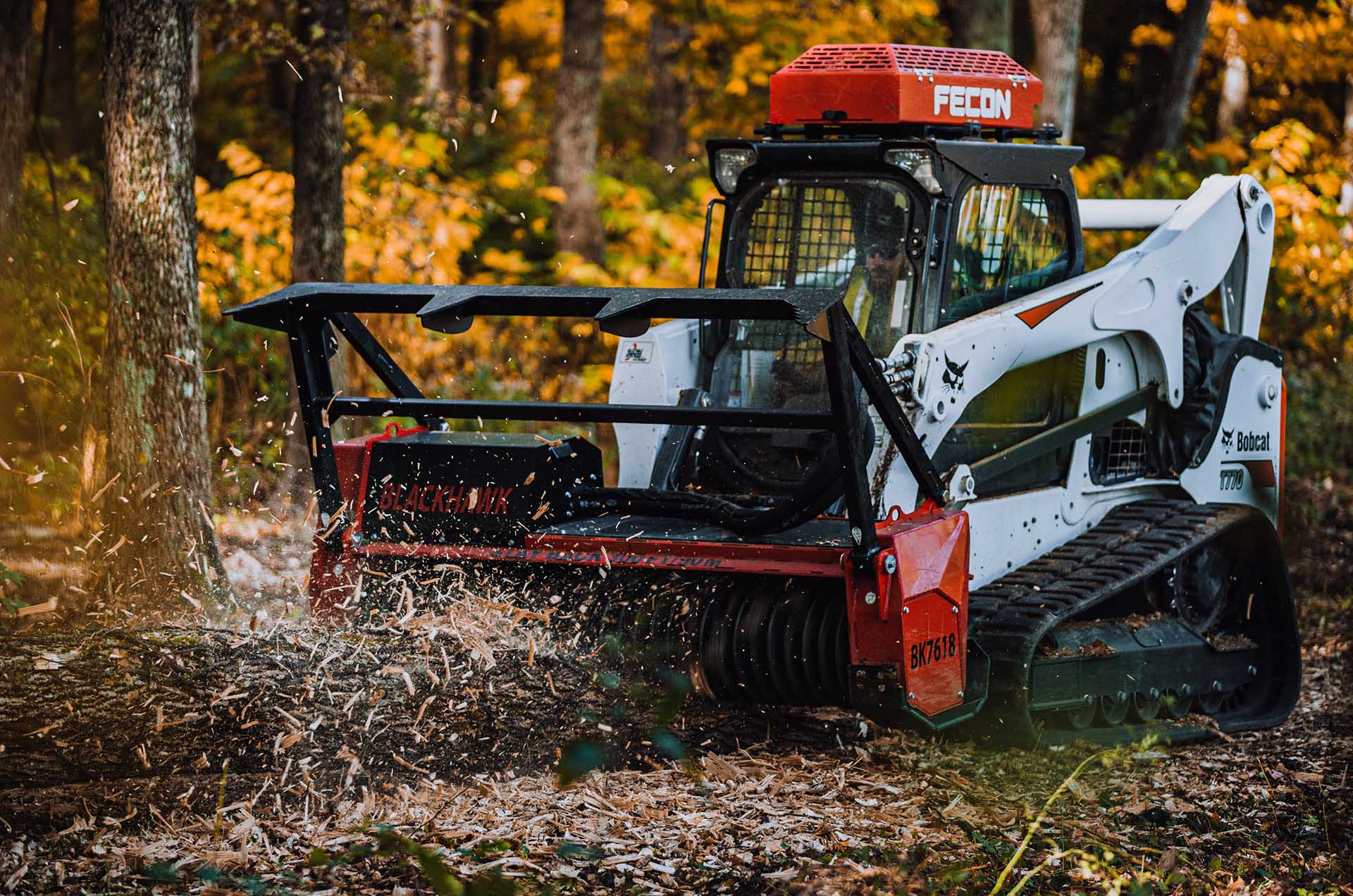
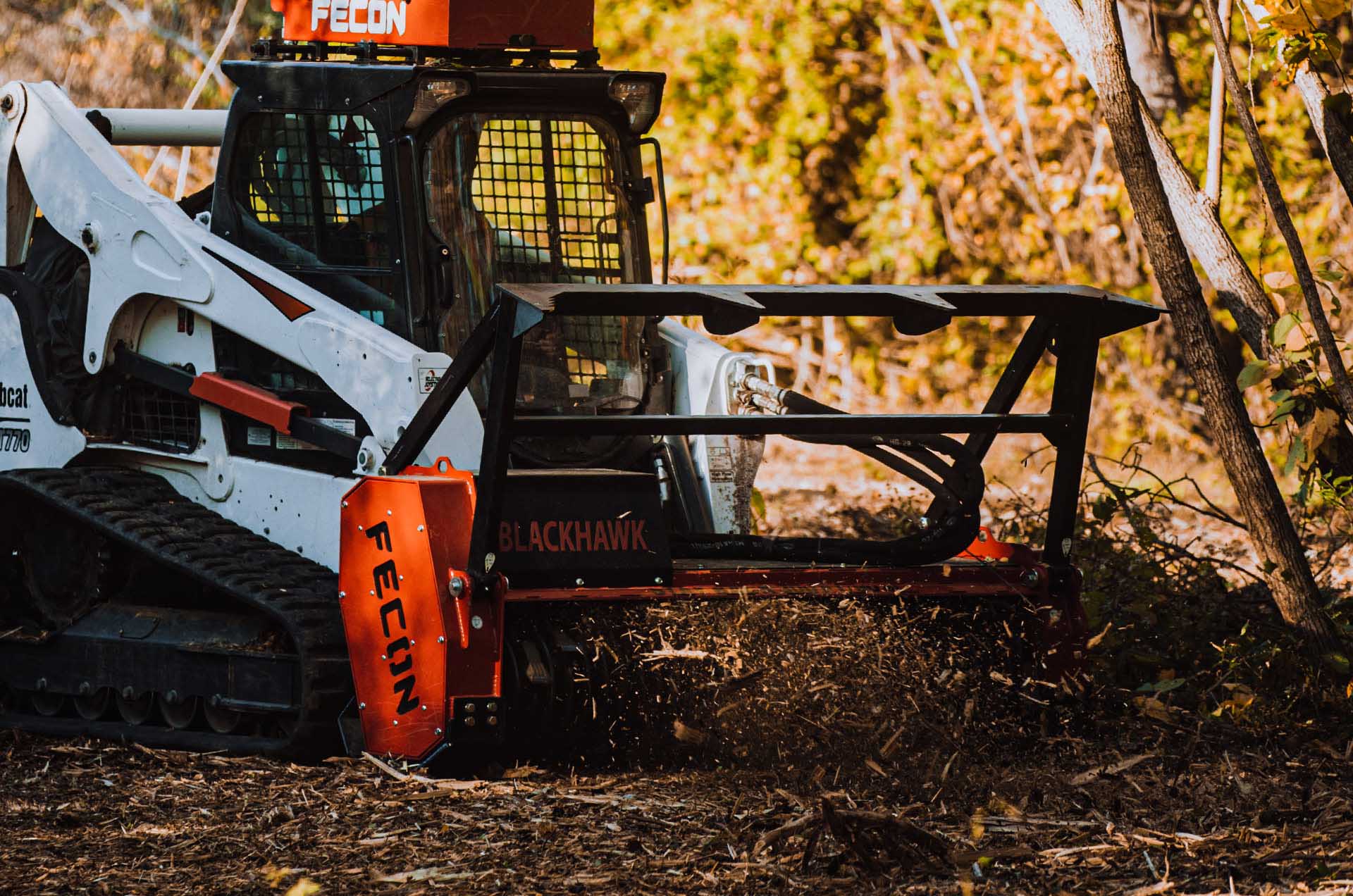
Fecon products are often used in the Construction industry in the earliest stages of the construction project—to clear land, roadways, and prepare the construction site. A variety of heavy-duty Fecon machines can be used to clear land on construction sites for roads, buildings, infrastructure work and more.
Contractors responsible for site preparation are often on tight timetables, with pressure mounting because no actual building can begin until the site is made ready. That’s where Fecon plays a key role. Fecon products are widely regarded in the construction industry for being durable, reliable, and efficient with high production rates—enabling you to deliver on your commitments, on time and on budget.
Stabilization of soils on construction sites can be performed with milling attachments and wheeled or track vehicles. Fecon’s durable Soil Hog is built tough to blend in stabilizing materials or additives to improve the soil, with an impressive production rate.
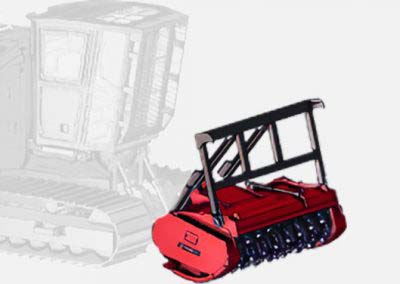
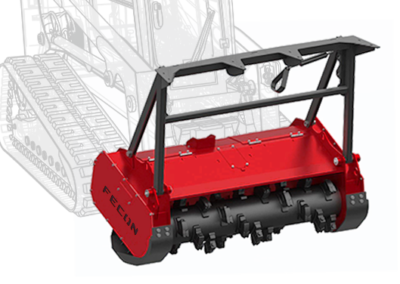
High-flow and extra-high-flow mulching heads on compact track loaders handle dense brush and trees efficiently, while Fecon’s purpose-built mulching tractors and excavator-mounted heads take on the largest volume and the biggest material. Clearing standing timber before the site work starts? Start with our forestry attachments.
For sites with rock close to the surface, crushing rock in place with a Fecon Stone Crusher can prep ground a dozer alone cannot touch.
For the largest volume and the biggest material, the 15 to 45 ton Bull Hog heads run up to 150 GPM and mulch material up to 10 inches.
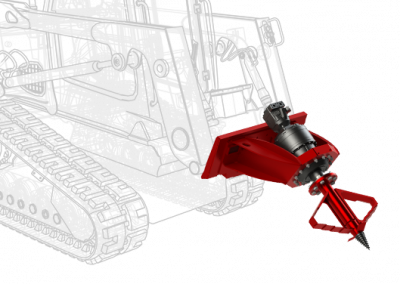
The same reach makes an excavator stump grinder the right tool where stumps sit on a bank or against a boundary.
For a full breakdown of every Bull Hog model by carrier, flow and cutting width, see our complete guide.
Frequently Asked Questions
Q1. What is site preparation, and where does mulching fit in?
Site preparation is the clearing and grading work that gets a piece of ground ready for construction, development, or a new use. Vegetation removal is usually the first step, and forestry mulching handles it in a single pass by grinding brush, saplings, and trees into a mulch layer instead of cutting, piling, and hauling. That gets a lot removed fast while leaving the ground stable, and where a foundation or utilities are going in, a dedicated stump attachment follows to take stumps below grade. Mulching is the efficient front end of site prep; excavation and grading finish the job where deeper ground work is required.
Q2. Is mulching or traditional clearing better for preparing a site?
Neither wins in every case; it depends on what the site becomes. Mulching is faster, needs one machine, leaves the soil largely intact with erosion-controlling mulch on top, and avoids hauling and burning, which makes it ideal for clearing overgrowth and opening a site quickly. Traditional clearing with dozers and excavators is the answer when you need bare, graded ground, full stump and root removal, or you are moving significant earth. Many commercial jobs use both: mulch to clear the vegetation efficiently, then excavate and grade where the build requires it. The right mix comes down to the finished grade and how much of the root structure has to go.
Q3. What equipment is best for commercial land clearing and site prep?
For commercial-scale work the priority is hydraulic power and durability, because production is what controls cost. High-flow and extra-high-flow mulching heads on compact track loaders handle dense brush and trees efficiently, while Fecon’s purpose-built mulching tractors and excavator-mounted heads take on the largest volume and the biggest material. Excavator heads also give reach for slopes and tight or hard-to-access areas. The best setup matches head flow class to the vegetation you face most and pairs it with a carrier that can feed the head and hold traction on the terrain. Sizing up for production usually lowers cost per acre on large sites. Where whole trees or timber have to come off the site rather than be mulched, a log grapple for skid steers loads and stacks them first.
Q4. How quickly can a site be cleared with a mulcher?
It varies with density, tree size, terrain, and machine, so plan on a range rather than a fixed rate. Light brush and saplings can clear at roughly 3 to 5 acres per day, medium growth with trees up to about 8 inches around 1.5 to 3 acres per day, and heavy timber less. A higher-flow carrier with the right teeth sustains better production in tough material, and clean access and dry ground speed everything up. For an accurate estimate it is best to walk the site, because vegetation density and access drive the timeline more than raw acreage does.